Nurturing Twice-Exceptional Minds: The Power of Outdoor Learning

In the realm of Gifted & Talented Education, we often encounter students who simultaneously possess exceptional abilities while also face facing learning differences. These twice-exceptional (2e) learners embody the essence of neurodiversity, challenging traditional educational paradigms and necessitating a more inclusive education approach. While special education and individualized learning plans are crucial, one often overlooked aspect of supporting 2e learners is the profound impact of outdoor experiences on their development and academic excellence.

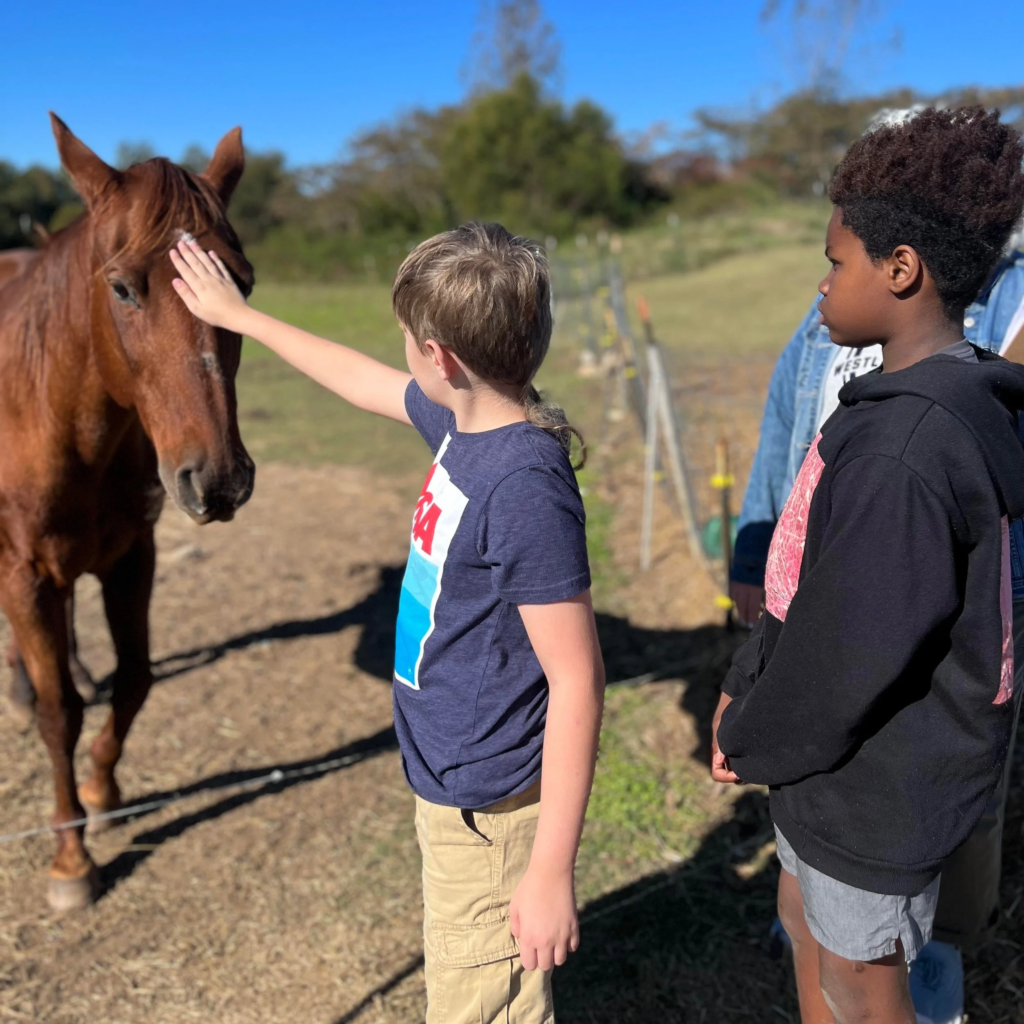
The outdoors provides a unique setting for personalized curriculum implementation, offering natural opportunities for enrichment programs that cater to the complex needs of 2e students. Unlike conventional classrooms, nature presents a multisensory environment that can significantly aid in sensory regulation, a common challenge for many neurodiverse learners. The sounds of rustling leaves, the texture of tree bark, and the openness of natural spaces can help reduce sensory overload, creating a more conducive setting for learning and growth.

Moreover, outdoor settings naturally encourage physical movement, which is integral to the learning process for many 2e students. This kinesthetic approach to education not only helps with focus and attention but also promotes the integration of knowledge across different cognitive domains. It’s a prime example of how educational support can be seamlessly woven into enjoyable, engaging activities.

The natural world also offers countless opportunities for real-world application of knowledge, satisfying the intellectual curiosity of gifted learners while addressing their learning differences. Whether it’s studying ecosystems firsthand, applying physics concepts to outdoor challenges, or using mathematical skills for navigation, these experiences contribute to a truly personalized curriculum that honors both the gifts and the challenges of 2e learners.

Perhaps one of the most significant benefits of outdoor learning for 2e students lies in the realm of Social-Emotional Learning. Nature provides a less structured environment for social interaction, reducing the pressure often felt in traditional classroom settings. Group activities like building shelters or navigating trails foster cooperation and communication skills, contributing to the holistic development of these unique learners.

For educators and parents engaged in advocacy for 2e learners, incorporating outdoor experiences into the educational approach can be a powerful tool. It demonstrates a commitment to student success stories by providing diverse learning opportunities that cater to the whole child. Teacher training programs should emphasize the value of outdoor education, equipping educators with the skills to effectively integrate these experiences into their teaching strategies.

Parent resources and support services should also highlight the benefits of outdoor learning for 2e children. Encouraging families to engage in nature-based activities can extend the learning beyond school hours, reinforcing the skills and knowledge gained in more formal educational settings. This approach to community engagement not only supports the individual learner but also raises awareness about the unique needs and potentials of 2e students.

Resources for families might include guides for local nature trails, ideas for backyard science experiments, or suggestions for nature-based art projects. These resources can help parents continue the learning at home, reinforcing the benefits of outdoor experiences and providing additional opportunities for growth and discovery.

As we strive for truly Inclusive Wducation that celebrates neurodiversity and supports twice-exceptional learners, we must recognize the invaluable role of outdoor experiences. By integrating nature-based learning into our enrichment programs and core curricula, we can provide the comprehensive educational support that 2e learners need to thrive. It’s time to step outside the traditional classroom and embrace the great outdoors as a powerful ally in nurturing the unique minds of our twice-exceptional students.
Mastery Learning: My Vision for Transformative Education

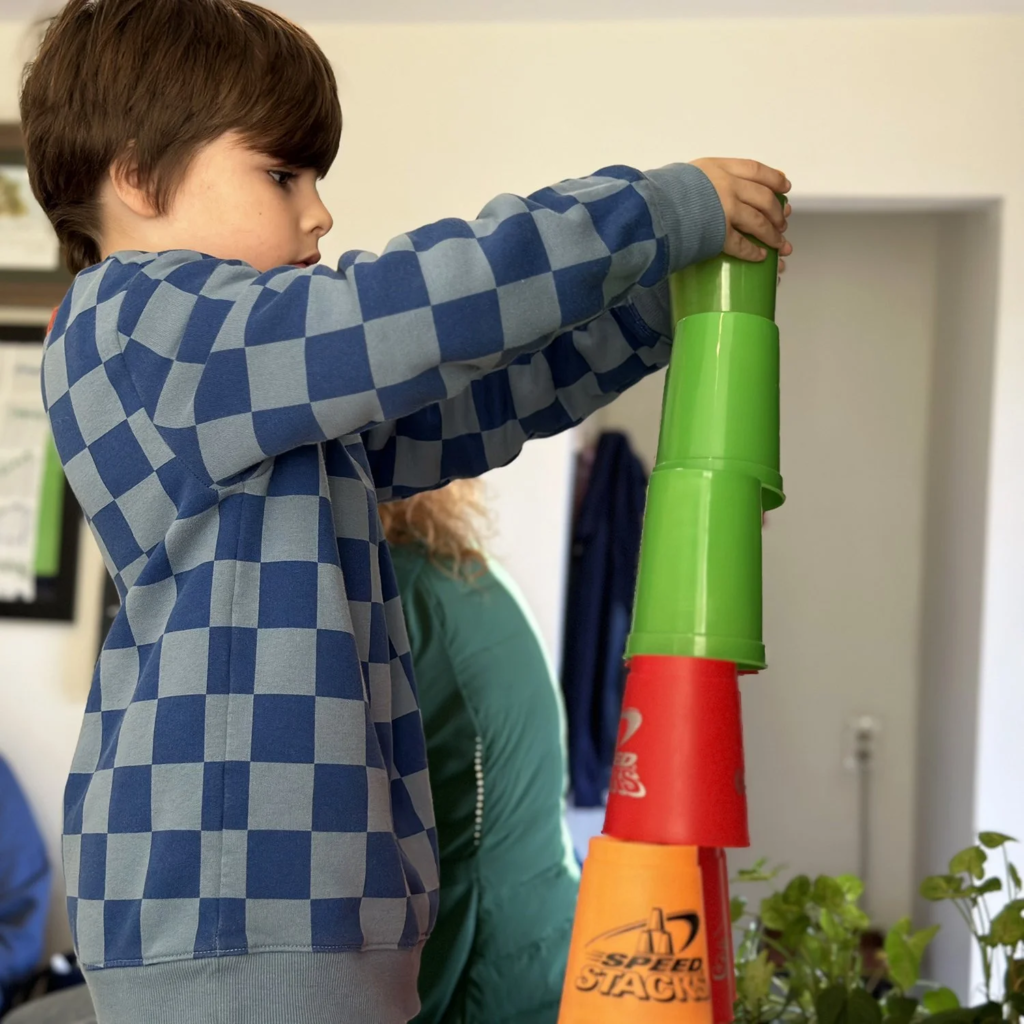
child stacking cups

When I founded Westlawn, I knew we needed something different. The traditional school system sometimes does not work for students who learn in unique ways—it tends to trap them in rigid structures that might not recognize or nurture their individual strengths. My vision was simple: create a school where every student is seen as an individual, not just a test score or a desk in a classroom.

At Westlawn, education is not just about following a curriculum—it’s about seeing the full potential in every student. Over the years, I’ve learned that every child has incredible potential for growth when given the right support. Mastery learning isn’t about sticking to a set path; it’s about ensuring each student truly understands what they’re learning and can apply it.

I’ve worked with so many students who were labeled as “difficult” in other schools—students with autism, anxiety, ADHD, sensory processing differences. These are bright, capable kids who simply learn differently, and those differences are often seen as obstacles in traditional settings. At Westlawn, we don’t see differences as problems. We see them as opportunities for deeper, more creative learning.

Our 4:1 student-to-teacher ratio isn’t just a number; it’s a promise that every student will receive the attention they need to thrive. We believe in getting to know each child, not just academically, but as a whole person. We build strong relationships that inspire students to engage fully in their learning and discover their own potential.

At Westlawn, assessment is about more than memorizing facts or passing tests. It’s about helping students solve real-world problems, discuss their thinking, create projects, and demonstrate true understanding. Each student’s learner profile captures their journey and growth, showing their unique path and strengths.

We also make sure to incorporate students’ special interests into their learning. When students are genuinely excited about what they’re studying, that’s when the magic happens. Our Studios and Field Experiences aren’t just extras—they’re key parts of how we help students connect their learning to the world around them.

My ultimate goal is to change the way we think about education. We’re not just teaching subjects; we’re helping students develop independence, emotional intelligence, and a love for learning. Every day, I see students who once struggled now become confident, capable learners who understand their own potential.

Westlawn isn’t just a school—it’s a reimagining of what education can be. We’re showing that when you respect each student’s unique learning path, amazing things happen. We’re empowering future innovators, thinkers, and leaders to understand that learning is a lifelong, personal journey.

This is why we do what we do. This is the heart of Westlawn.

The Importance of Executive Function Skills for 2e Students

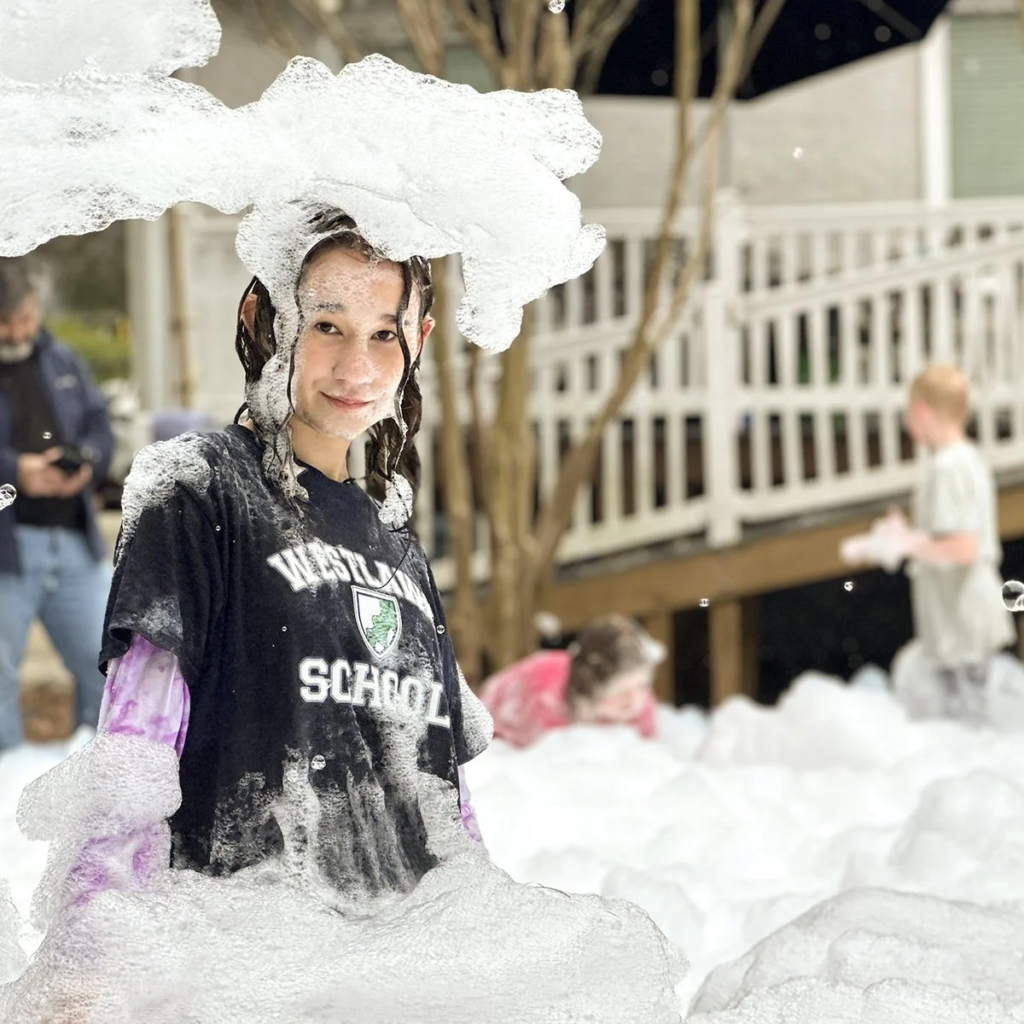
student covered in foam

In the world of twice-exceptional (2e) education, we often focus on nurturing students’ exceptional abilities while supporting their learning challenges. However, there’s a critical set of skills that can make or break a 2e student’s success: executive function skills. Today, let’s explore why these skills are so crucial for our bright but often struggling learners.

Executive function skills are the cognitive processes that help us plan, focus attention, remember instructions, and juggle multiple tasks successfully. Think of them as the “air traffic control system” of the brain. These skills include working memory, flexible thinking, inhibitory control, planning and prioritizing, task initiation, organization, time management, and emotional regulation. For 2e students, who often have asynchronous development, these skills can be particularly challenging to develop.

Twice-exceptional students typically have areas of remarkable strength alongside significant struggles. This dichotomy can make learning and daily life particularly challenging. Executive function skills are crucial because they help 2e students balance their strengths and challenges, manage their asynchronous development, cope with perfectionism, navigate social situations, and achieve academic success.

For instance, a 2e student might have the intellectual capacity of a high schooler but the emotional regulation of a much younger child. Executive function skills help bridge these gaps. Many gifted students, including 2e learners, struggle with perfectionism. Good executive function skills can help them set realistic goals, manage time effectively, and handle the emotional impact of not meeting their own high standards. In school, 2e students need to manage complex projects, remember multi-step instructions, and switch between different subjects. Strong executive function skills are vital for these tasks.

So, how can we support executive function development in 2e students? Here are some key strategies:

  1. Explicit Teaching: Don’t assume that 2e students will naturally develop these skills.
  2. Use of Visual Aids: Many 2e students are visual learners.
  3. Assistive Technology: Introduce apps and tools designed to support executive function skills.
  4. Consistent Routines: Establish and maintain consistent routines to help students internalize organizational strategies.
  5. Emotional Support: Provide encouragement and celebrate small victories.

It’s important to remember that struggling with executive function can be frustrating. Provide emotional support and celebrate small victories. Model good executive function skills in your own behavior and walk students through your thought processes. Work with students to develop appropriate accommodations that support their executive function needs without enabling dependency.

By focusing on executive function skills, we’re not just helping 2e students succeed in school – we’re setting them up for lifelong success. These skills are crucial in higher education, in the workplace, and in managing the complex demands of adult life. Moreover, as 2e students develop stronger executive function skills, they often experience a boost in self-esteem and self-efficacy. They begin to see themselves as capable learners who can overcome challenges, which can have a profound impact on their overall well-being and future aspirations.

In our 2e school, we recognize that nurturing executive function skills is just as important as cultivating our students’ exceptional abilities and supporting their learning differences. By providing this crucial support, we’re helping our twice-exceptional learners not just survive, but truly thrive in school and beyond.

Remember, every 2e student is unique, and their executive function needs will vary. By working closely with each student, their family, and our educational team, we can develop tailored strategies that help each of our remarkable learners reach their full potential. Through this focused approach on executive function skills, we’re not just addressing immediate academic needs, but we’re equipping our 2e students with the tools they need to navigate the complexities of life, harness their exceptional abilities, and overcome their unique challenges.

Twice Exceptional Children: Embracing Gifts & Challenges

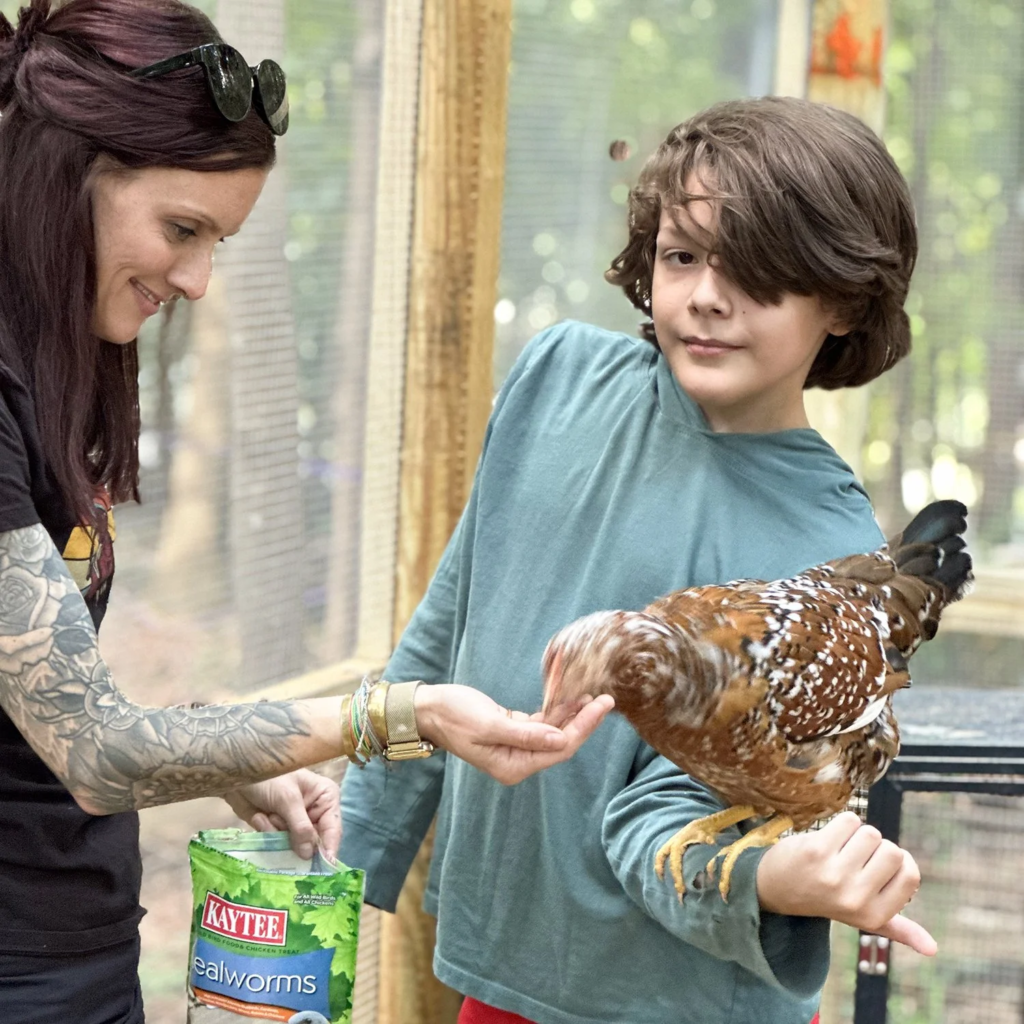
feeding chickens

In the diverse landscape of education, there’s a group of children who possess a remarkable combination of exceptional abilities and learning challenges. These children are known as “twice exceptional” or “2e” learners. Today, we’ll explore what it means to be twice exceptional and why it’s crucial to meet these extraordinary kids where they are.

Twice exceptional children are those who are gifted in one or more areas while also having a learning disability, neurological disorder, or other challenge that affects their learning. Some common conditions that may coexist with giftedness include Autism Spectrum Disorder (ASD), Attention Deficit Hyperactivity Disorder (ADHD), Dyslexia, and Sensory Processing Disorders. These children often have asynchronous development, meaning their intellectual, emotional, and physical development may progress at different rates.

Understanding and supporting twice exceptional children is crucial for several reasons. First, 2e students require tailored educational strategies that address both their giftedness and their challenges. A one-size-fits-all approach often fails to meet their complex needs. Without proper support, 2e children may struggle to reach their full potential. Their gifts may mask their challenges, or their challenges may overshadow their talents. The frustration of having both exceptional abilities and significant struggles can lead to low self-esteem, anxiety, and behavioral issues if not addressed properly. By recognizing and supporting 2e learners, we promote a more inclusive educational environment that values neurodiversity.

There are several strategies for supporting twice exceptional children. By developing comprehensive Learner Achievement Plans, we aim to address both the child’s giftedness and their learning challenges. These individuals need a strength-based approach that focuses on the child’s abilities while providing support for their areas of difficulty can be highly effective. Implementing appropriate accommodations in the classroom, such as assistive technology, extended time for tests, or alternative assessment methods, can help level the playing field for 2e learners.

Seeking out educational programs designed specifically for 2e learners can provide targeted support and challenge. Providing access to various therapies (occupational, speech, behavioral) and counseling services can address specific needs. Educating parents on effective strategies for supporting their 2e child at home and advocating for their needs at school is also important. Developing strategies to help 2e students navigate transitions between grade levels, schools, and eventually into higher education or the workforce can ease these potentially stressful periods. Connecting with other families, educators, and professionals who understand twice exceptionality can build a supportive community.

Schools play a crucial role in supporting twice exceptional students. Providing educators with specialized training to recognize and support 2e learners is essential. Developing flexible, challenging curricula that can be adapted to meet the diverse needs of 2e students allows for personalized learning. Fostering collaboration between gifted education specialists, special education teachers, and classroom teachers can provide comprehensive support. Allocating resources for assistive technology, specialized materials, and support staff is necessary to meet the unique needs of 2e learners.

Twice exceptional children represent a unique intersection of giftedness and learning challenges. By meeting these extraordinary kids where they are – recognizing both their talents and their struggles – we can help them thrive academically, emotionally, and socially. Through a combination of tailored educational strategies, support services, and a strong community of advocates, we can empower 2e learners to reach their full potential and make their unique mark on the world.

Every twice exceptional child is unique. By embracing their individuality and providing the right support, we can help these remarkable children not just succeed, but truly shine. Whether through specialized programs, therapy, counseling, or carefully crafted educational strategies, the goal is always to nurture both the gifts and the challenges of these exceptional learners. With the right resources, community support, and inclusive approach to education, we can create an environment where twice exceptional children can flourish and contribute their unique perspectives and talents to the world.